


A shipment can be made exactly to specification and still cause trouble at the receiving end: the goods cannot be scanned into stock, or the inner packs must be opened and rebuilt before they can be sent out to stores. These are labelling and packing decisions made in the last days before dispatch, and they rarely appear in a quotation. This article covers where barcodes need to sit, why inner packs are a distribution decision, and what a pre-shipment check can honestly record.
What one order note actually records
Here is a short, anonymised note from our own records, in the order the work was done:
- An order for a supermarket chain in Southeast Asia.
- Barcodes applied to the inner packs, to the base of each cup, and to the outer cartons.
- Inner packs assembled so the goods could be distributed onward without being opened and re-packed.
- The goods were checked and no problem was found; the shipment was then packed and dispatched to the customer.
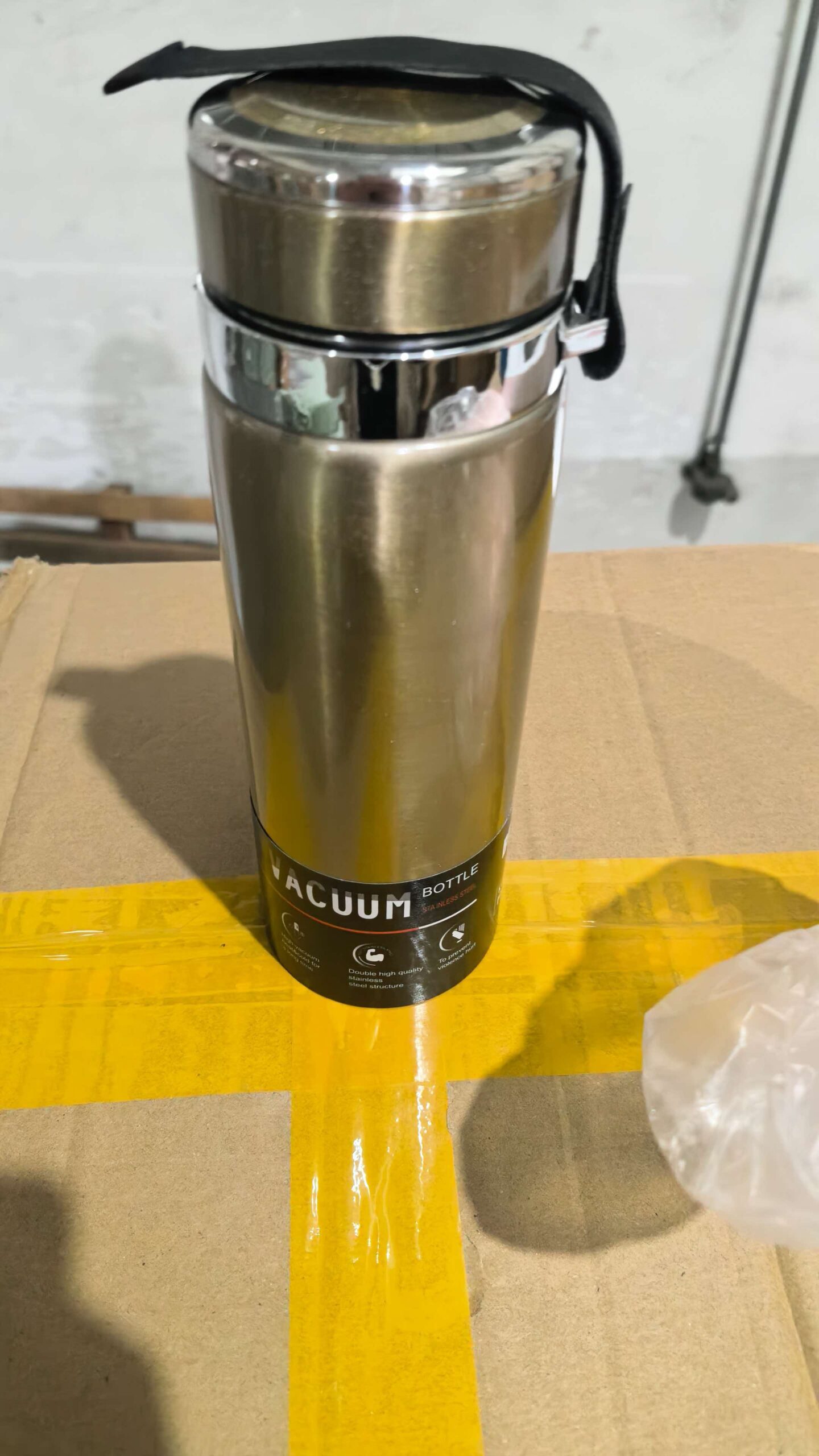
That is the whole note: no customer name, no country beyond a region, no quantities, dates, prices or order numbers. It is an internal work record — not a test report, a certificate, a testimonial or a regulatory claim. It matters because it shows the sequence: labels, distribution-ready inner packs, a check, then packing and dispatch.
Why the same barcode is needed at three levels
A barcode is an agreement between the packer and the system that will receive the goods. The same product can be scanned three times for three different purposes, and a code that works at one level is often useless at another.
| Level | Where it sits | Who scans it | If it is missing or wrong |
|---|---|---|---|
| Unit | The item itself — above, the base of each cup. | The retail till or store inventory. | Items cannot be sold or identified individually. |
| Inner pack | The bundle handled as one unit. | A distribution centre allocating onward. | Bundles are opened and re-counted; the packing list stops matching the goods. |
| Outer carton | The shipping carton, beside the shipping mark. | Goods-in at a warehouse or fulfilment centre. | Cartons arrive as unidentified stock, or the wrong one is picked. |
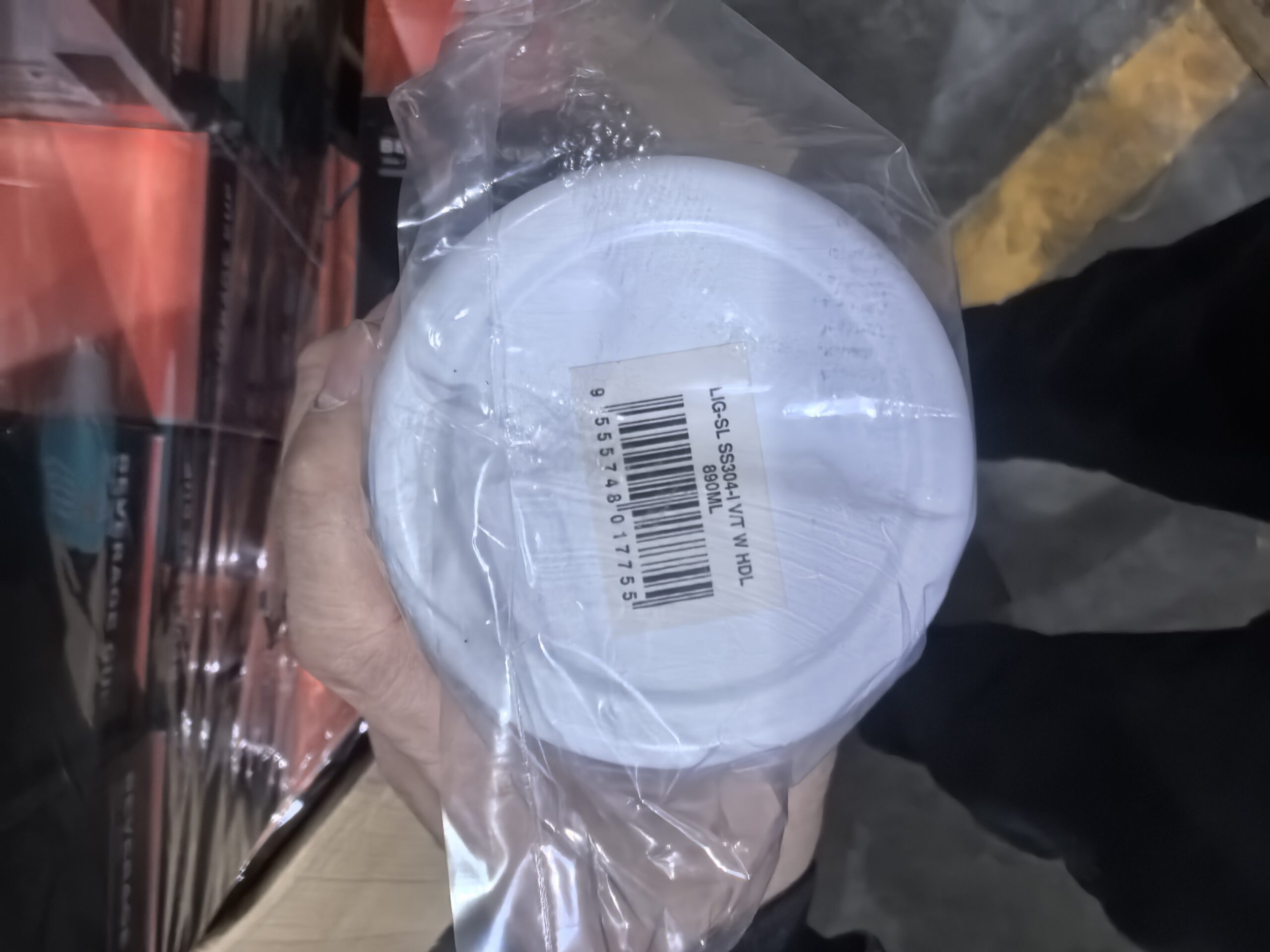
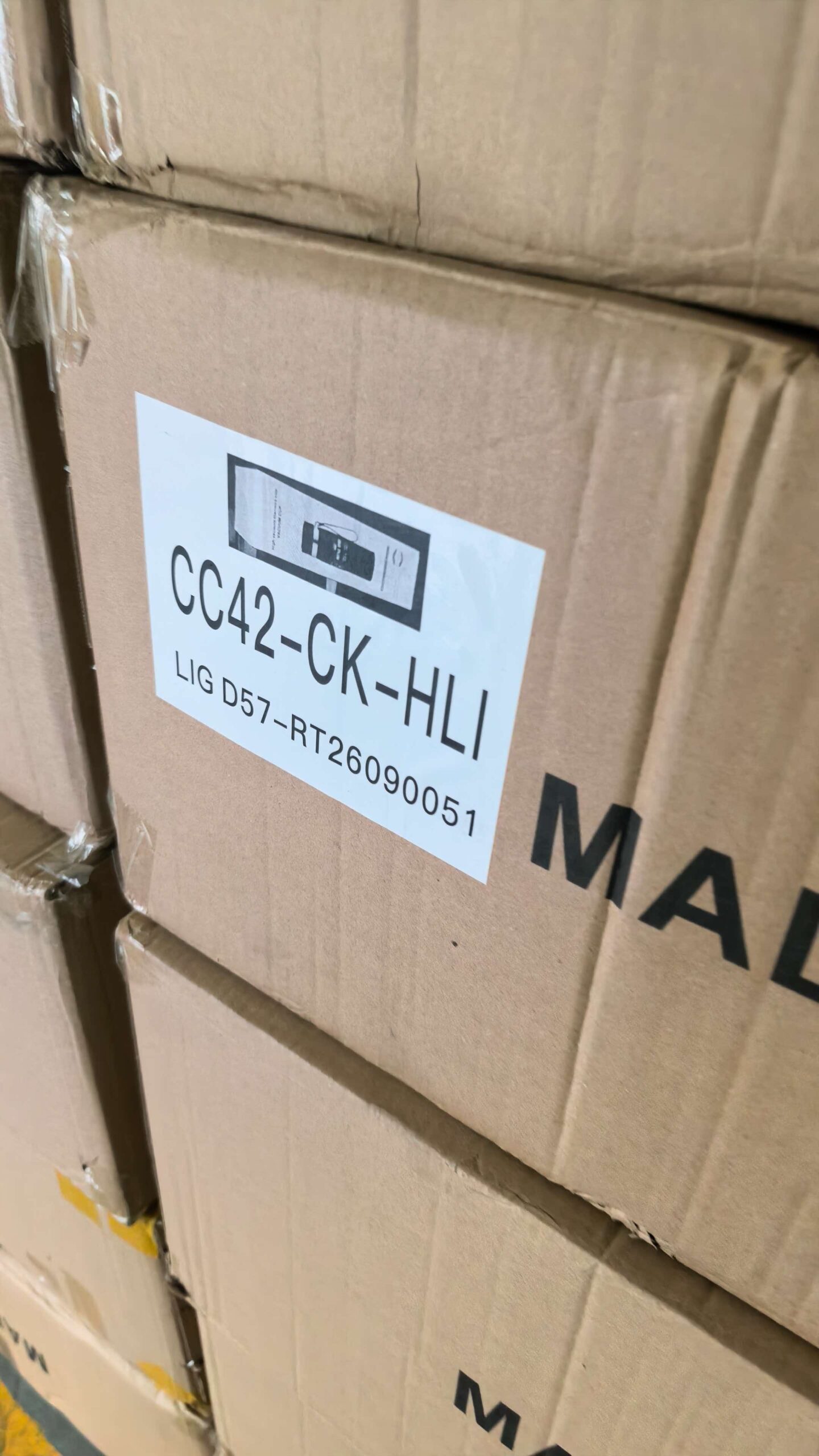
Two points follow. The codes belong to the buyer’s system — product master data, a retailer’s specification, or for Amazon shipments the FNSKU files and Shipment ID from the seller’s own Seller Central account. A supplier should apply them, not invent them or re-use an earlier order’s codes. Placement matters too: a label on a curved surface, a seam or under tape may be perfectly printed and still fail to scan. Agree a label-position diagram before production finishes, then confirm it on a physical sample.
Inner packs are a distribution decision, not just a box
Inner packing is often treated as protection: wrap the units, put them in a carton, move on. For a retail or multi-store order the inner pack is the unit the receiver will allocate. If it is built for storage rather than distribution, the work of splitting it moves to the destination, where nobody has the original packing list.
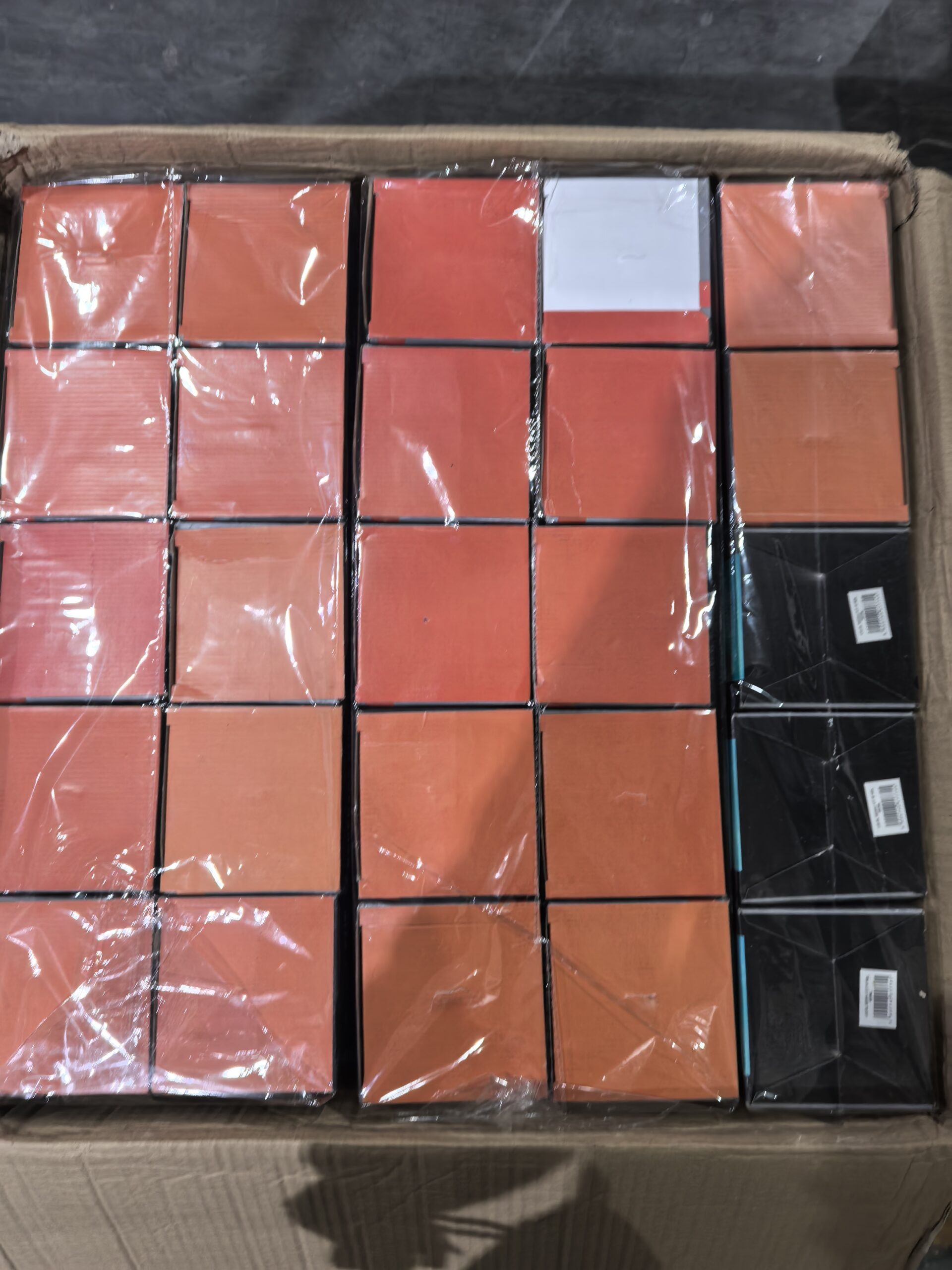
Agree these five points before packing starts:
- Units per inner pack, fixed or varying by destination.
- Mixed or single SKU, and how variants are identified on the outside.
- Which level carries which barcode, and whether the inner-pack code is a grouping code.
- Label position, as a diagram rather than a description.
- How inner packs map to cartons, so the packing list matches the physical goods.
Without that agreement, a receiver can only learn what is inside by opening cartons — the situation the note above was written to avoid.
The pre-shipment check, kept in proportion
The note says the goods were checked and no problem was found. That is an internal observation, not a third-party report, a certificate or a regulatory claim. Where a product requires such documents, they come from the manufacturer and the testing body and must be checked against the exact model and batch being shipped.
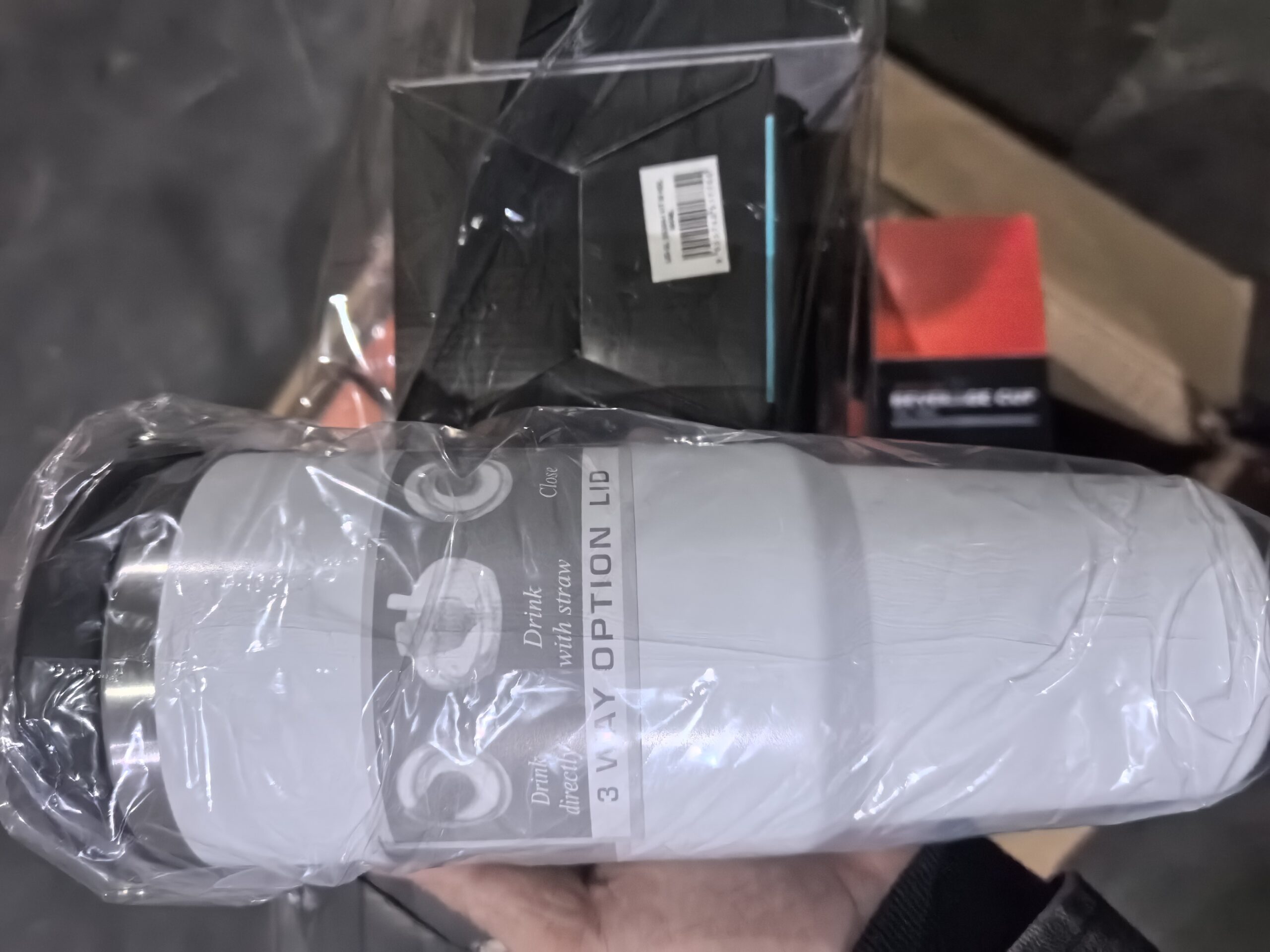
What a check at this stage can verifiably cover:
- Quantity and carton count against the packing list.
- Appearance and specification against the approved sample — materials, colour, dimensions, version.
- Labels: present at every agreed level, legible, scannable, and matching the codes on the packing list.
- Inner-pack and carton integrity: protective packing, closure, no crushed or repacked cartons.
- Shipping marks and carton identification matching the destination and the documents.
- Sealing, with the state of the cartons recorded before they leave the packing area.
Findings should be recorded either way, including those needing rework; a check that only ever produces a “no problem” line is a signature, not a check. If a buyer wants a defined checklist or photographs of specific checkpoints, agree that before the order reaches this stage.
Packing and dispatch are one hand-off
The remaining risk is the hand-off: the packing list is written from one version of the order, the cartons sealed from another, the dispatch documents raised from a third. A clean hand-off has one short evidence trail — final packing list, carton count, label and mark confirmation, check record and dispatch documents, all using the same carton numbering. Any photographic record has to be taken before sealing; afterwards the contents can no longer be demonstrated.
Where an independent check fits
Inspection, labelling and shipment preparation can be standalone work for goods a buyer sourced independently, provided the specification and the labelling files define the checks. For Amazon shipments, FNSKU files and the Shipment ID come from the seller’s own Seller Central account.
- Quality inspection — sampling, measurement and packing checks.
- FBA prep — labelling and shipment preparation.
- Supplier verification — documents, premises and capability.
- Brazil order communication record — a redacted order thread.
- China sourcing hubs by product — clusters and their limits.
- Chenghai toys — document-to-batch gaps.
A note on how we work
Lingyi Supply Chain is based in Shenzhen and supports importers and Amazon sellers with supplier verification, quality inspection and shipment preparation across China’s manufacturing regions. We do not publish fixed prices, lead times or capacity figures: what needs checking depends on the factory, the product and the shipment. Tell us what you are buying, which labels the receiving system expects and how the goods will be distributed, and we will tell you what we can verify.
Common questions
Do we have to supply the barcode files ourselves?
Yes, or confirm their source. A supplier should apply the codes, not invent them.
Can labelling be done on goods we did not buy through you?
Yes, as standalone work, provided the specification, codes and packing rules are supplied.
Does a “no problem found” line replace an inspection report?
No. It is an internal observation. A formal report defines its own scope and findings; ask for it separately if your process needs one.
What if the inner-pack rule changes after sealing?
Re-issue the packing list and carton marks together and re-check the affected cartons. Changing only the document creates the mismatch at goods-in.
Agree the label levels, the inner pack and the record before the cartons close.