


A defect found in your warehouse costs you a return, a replacement and a review. The same defect found on the production line in China costs a rework. Quality control is the cheapest insurance in sourcing, provided it happens before the balance payment and before the container is loaded.
Lingyi Supply Chain runs inspection at our own facilities in Yiwu, Shenzhen and Shantou, so goods from several suppliers can be checked in one place before they are consolidated. This page explains what an AQL-based inspection actually covers, when to do it, and what you should expect in the report.
What AQL 2.5 actually means
AQL stands for acceptable quality limit. A common misunderstanding is that “AQL 2.5” means 2.5% of the order may be defective — it does not. It is a parameter of a sampling plan (ISO 2859-1 / ANSI Z1.4): from a given lot size and inspection level, the plan tells you how many units to draw at random and how many defects of each class are allowed before the lot fails.
Defects are classified before sampling starts, because the tolerance differs by class:
| Class | Example | Typical AQL |
|---|---|---|
| Critical | Sharp edge, electrical hazard, choking risk, missing safety marking | 0 — normally not tolerated |
| Major | Function failure, wrong colour or size, broken part, unreadable label | 2.5 |
| Minor | Light scuff, slight print offset, small packaging crease | 4.0 |
The point of the exercise is not to hit a percentage. It is to make the pass/fail decision objective and agreed in writing before production starts, so that “the quality is fine” is not a matter of opinion when the invoice is due.
What the checklist covers
| Area | Typical checks |
|---|---|
| Quantity & assortment | Carton count, units per carton, size/colour/SKU mix against the purchase order |
| Appearance & workmanship | Scratches, seams, glue, paint, print registration, colour consistency against the approved sample |
| Dimensions & weight | Measured against the spec sheet and tolerance, not against the sample alone |
| Function & assembly | Power-on, moving parts, fit of components, on/off cycles, basic drop or load tests where relevant |
| Packaging & labelling | Barcode scan, FNSKU or retail label placement, warning text, poly bag suffocation notice, carton drop test |
| Documentation | Packing list, carton marks, certificate copies, and photo evidence of the inspected lot |
These are the five checks we actually run on an order, not a generic template:
- Sample confirmation — a signed sample approved before production starts, not after.
- In-production follow-up — production photos or live video coordinated with the factory on request.
- Pre-shipment inspection — units opened, defects logged, quantity confirmed against the order.
- Packaging and transit-risk check — outer cartons inspected, reinforcement applied before dispatch where damage is found.
- Container and document check — the container confirmed clean before loading; invoice, packing list and shipping address checked against the buyer’s details.
Four points where an inspection belongs
- Pre-production — confirm materials, components and the approved sample before the line starts.
- During production (DUPRO) — catch a systematic error while there is still time to correct the whole batch.
- Pre-shipment (PSI) — the standard AQL inspection on finished, packed goods; tie the balance payment to a passed report.
- Container loading — confirm carton count, loading condition and seal number, especially for consolidated shipments.
For most SME and Amazon FBA orders, a pre-shipment inspection plus a loading check is the practical minimum. If goods from multiple factories are being combined, the inspection should happen after they reach one warehouse — see our sourcing and order consolidation process and our FBA prep service.
What the report contains
- lot size, sample size, AQL level and the sampling standard used;
- defect counts by class, with photos of each defect found;
- measurements and function test results against the specification;
- packaging and labelling photos, including carton marks;
- a clear pass / fail / pending rework conclusion and the reason for it.
We do not have a redacted sample report to publish, and we will not mock one up — a buyer who asks for the original would spot it immediately. What we can send over before an order is placed is the verification pack we assemble per order: the business licence, company registration information, bank information, a commercial invoice sample, a packing list sample, shipping documents, factory photos from the production stage, and pre-shipment quality inspection photos. On request we also coordinate with the factory for production photos or live video.
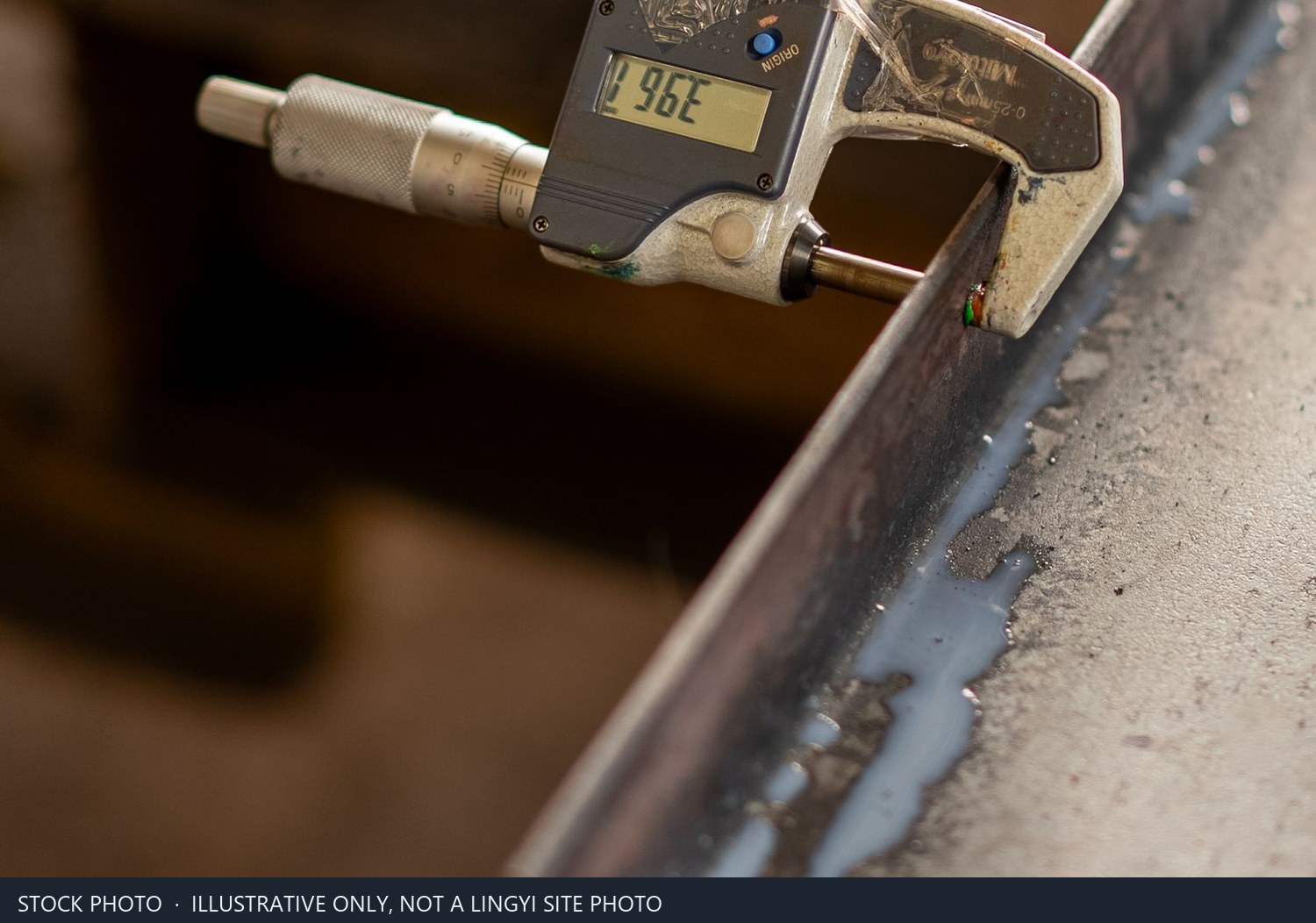
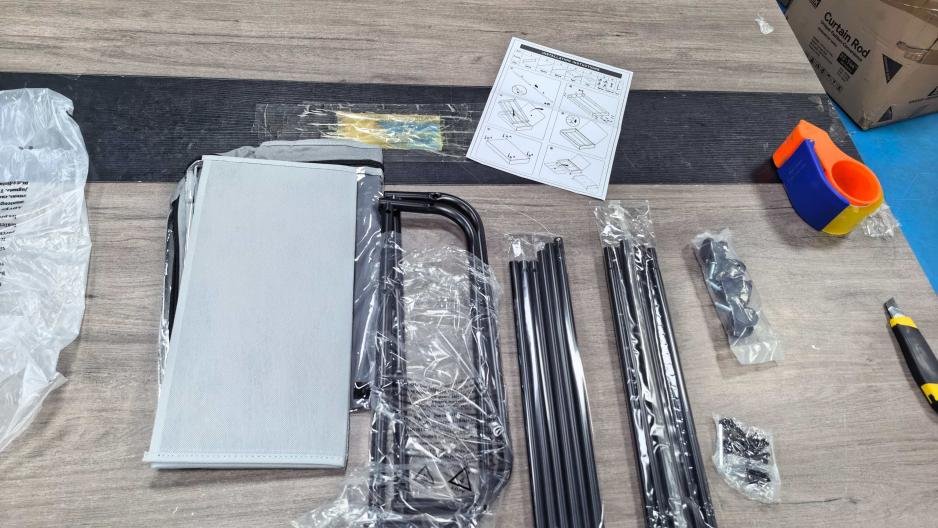
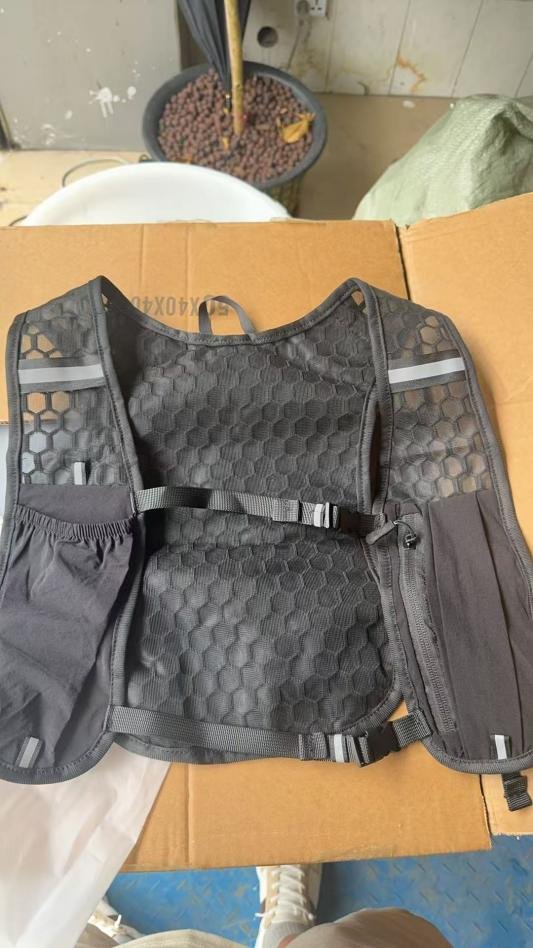
The two on-site photos above are from real inspections. The general inspection photo near the top of this page is licensed stock imagery used for illustration only — it is not a photograph of our team or one of our inspections.
Frequently asked questions
Is AQL 2.5 right for every product?
No. Children’s products, electrical goods and items with safety-critical features usually need a tighter critical-defect rule and product-specific tests. We set the plan with you based on the category and your market’s requirements.
Can I use the inspection report to withhold the balance payment?
Only if that is written into the purchase order and agreed with the supplier up front. We recommend structuring the payment schedule around a passed pre-shipment report from the start; it is much harder to introduce after a dispute.
Do you inspect goods we did not source through you?
Yes. We can inspect goods that were not sourced through Lingyi. To quote it, we need the factory’s address and details of the goods: what the product is, the quantity, the specification and packing requirements, and the inspection standard or checklist you want us to work to. With that information we quote the inspection before any work starts, with clear cost details and no hidden fees. The inspection findings are shared with you whether or not you go on to ship with us.
Next step
Send us the product, quantity, specification and destination, and we will propose a sampling plan and checklist before production begins. Request a sourcing quote.
Related read: To see how inspection and loading updates are shared with a client, see From Quote to Delivery: What a Real Brazil Order Thread Looks Like.
Related reading: Sourcing Toys from Chenghai: Safety Standards and Inspection Checklist.